California Mission Nuestra Senora De La Soledad Bean Art

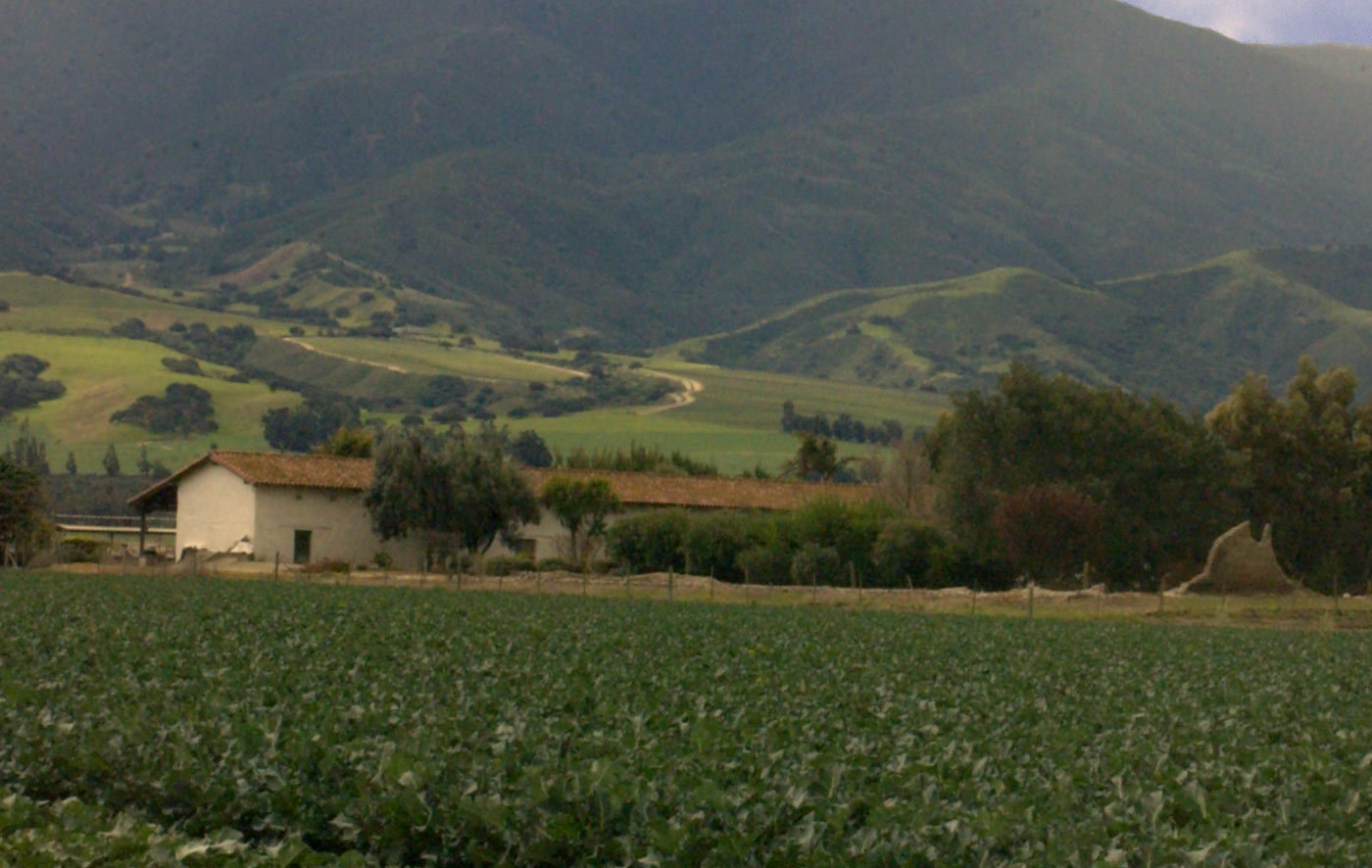
Nuestra Señora de la Soledad
General Information
Founded:
October 9, 1791 - The 13th California Mission
Also Chosen:
Soledad Mission
Current Status:
This is a restored mission site. The mission church is considered a chapel of Our Lady of Solitude Cosmic Church in the boondocks of Soledad.
Summary:
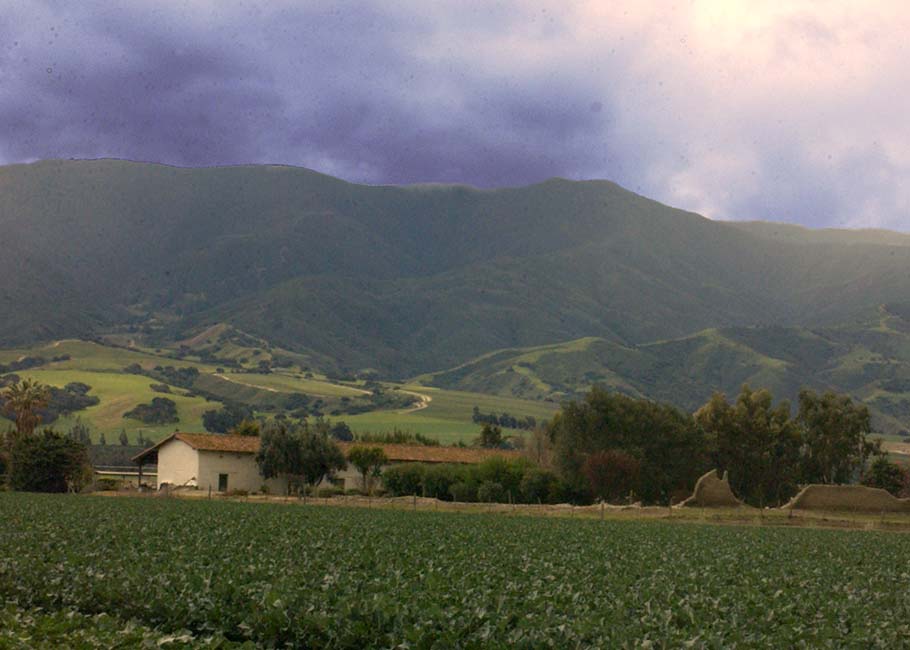
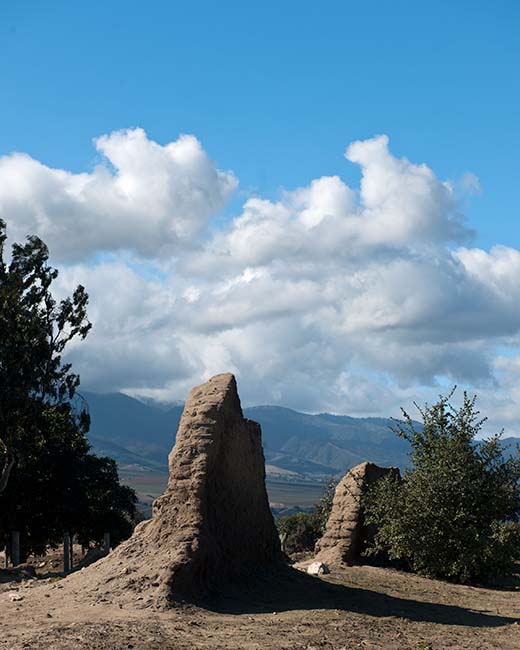
Nuestra Señora de la Soledad was founded on Oct 9, 1791. Mission Soledad was abandoned for almost 100 years, then advisedly restored between 1954–1962. The elementary chapel and padre'south quarters, besides every bit the ruins of the mission'due south adobe walls, accurately draw what was 1 of the about isolated of the California missions.
Address
Directions
The mission is located s of the town of Soledad easily reached off US 101. Take the
Website(s)
Phone(s)
831-678-2586 - Mission Office
Fees, Hours, Tours and Church building Services
Please contact the mission directly by telephone or by visiting the mission website for the most current information.
Due to Covid-19 restrictions, it is best to bank check for current information.
Weddings and Other Special Services
Weddings, Baptisms and other special services are held at Our Lady of Solitude Parish Church in the town of Soledad. Contact the Church office directly past telephone at 831-678-2731 or past visiting the church website.
Use of the Mission Chapel for services has to be discussed with the Parish Church.
Special Events
Special events held periodically include music concerts, craft shows, and auctions. These events raise funds to support the mission. Visit the mission website for further information.
Unique Attractions
- This mission circuitous is unique. The uncomplicated chapel and padre's wing sits within agricultural fields that are all the same farmed with no commercial buildings nearby.
- The Daughters of the Gold West restored the Chapel in 1954. Cheque out their website to larn more about the many ways they are contributing to the
restoration of the CA missions. - A statue of Our Lady of Sorrows is the center slice on the church altar.
- The
convento wing, which now contains a gift shop and museum, was restored in 1963. - The Soledad church was originally located at the eastward end of the padre's quarters. It was destroyed in a flood c. 1824. The location of this first church is well-marked. There are long-range plans to rebuild this church building.
- There is a statue of the founder of the mission, Fr. Junípero Serra, behind the open up parking area in front of the mission.
- Soledad has some of the most haunting ruins of old
adobe mission walls you will find in California.
Tips for Visitors
- Mission Soledad is an piece of cake cease along Road 101. Don't miss seeing this mission whose simplicity and isolation requite the visitor a sense of how difficult life must have been in this remote spot ii (2) centuries ago.
- Walk the grounds which are well-marked. Exist sure to go far enough in back of the mission buildings to run across the old adobe walls.
- If it has rained recently, exist warned that the dirt roads/paths in the back can be muddy.
Year Secularized
1835
Year Returned to Catholic Church building
1859
Patron Saint (Named For)
Our Lady of Confinement
Prominent Missionary Leaders
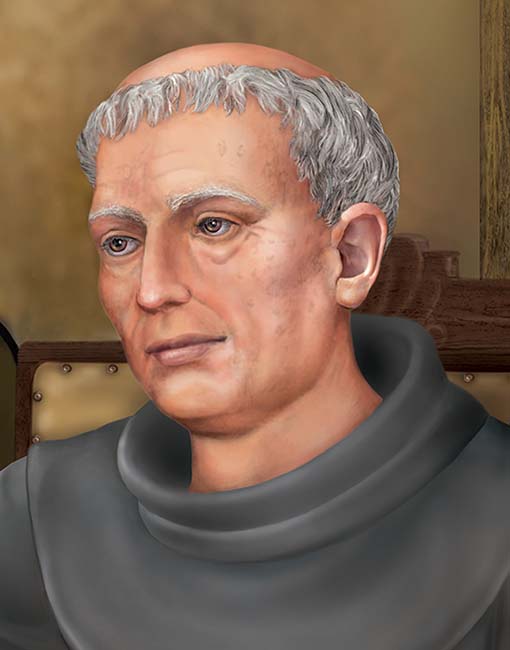
- Founding Father President - Fr. Fermin Francisco de Lasuén
- Founding Missionaries - Fr. Mariano Rubi and Fr. Diego Garcia
Indians Joining Mission
Few natives lived in the vicinity of this mission so Indians were recruited from many tribes including the Chalon, Esselen, Yokuts, and Salinan.
Mission Site
Thirty (thirty) miles southeast of Monterey in the Salinas River Valley at a site thought to have been an Esselen village known by the natives every bit Chuttusgelis.
Mission Layout
A courtyard-centered quadrangle without buildings. Neophyte housing was located to the south and the cemetery to the east.
H2o Source
Salinas River (likewise depression for irrigation) was used for livestock needs. The Arroyo Seco brought seasonal waters. A fifteen (15) mile long zanja or channel dug by neophytes (rediscovered by archaeologists from CSU Monterey Bay in 2007) eventually irrigated some 20,000 acres in the Llano del Rey or lands around the mission.
Population
The highest recorded population was 687 in 1804.
Livestock
The Soledad mission had a livestock herd of half dozen,000 cattle and 4,950 sheep in 1834, the last year for which records were maintained. The number of sheep exceeded 9,000 during the mission'due south peak years.

Agronomical Output
Agronomical production at Soledad ranked it in the bottom 3rd of the mission chain. Over the years 1793-1834, Soledad harvested 119,492 bushels of wheat, barley, corn, beans, and peas. Its most of import product was wheat.
Mission Church building
The simple Soledad chapel was built in 1832 and restored in 1954. The church was originally located at the east finish of the padre'southward quarters until almost 1824 when it was destroyed in 1 of the recurring floods that plagued this "hard luck" mission.
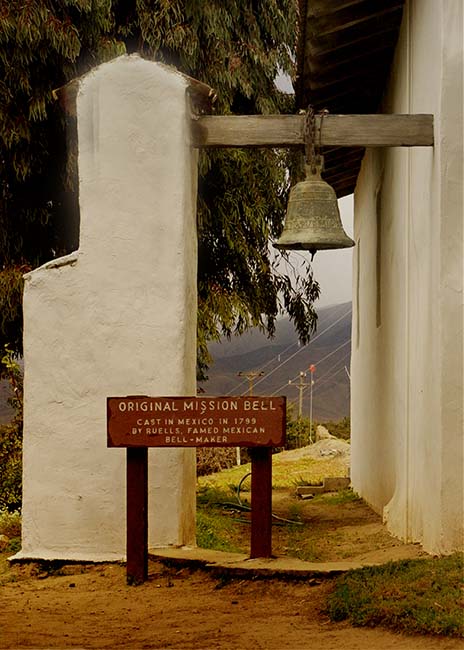
Mission Bells
The original mission bell bandage in Mexico City in 1794, used to hang on a wooden beam to the left of the church entrance. For security purposes, the original has been moved inside.
Mission Art and Artifacts
Both the exterior and interior of the chapel are quite uncomplicated. Colorfully painted reredos, stenciled wall decorations, and original oil paintings of the Stations of the Cross beautify the
Interesting Facts
- José Joaquín de Arrillaga, the first Spanish governor of Alta California, died at Soledad in 1814 during a mission tour and was buried in a
Franciscan habit beneath the floor of the church which was destroyed in 1824. - Soledad became the principal headquarters of the President of the California Missions, Fr.Mariano Payeras, in the wake of Bouchard's raid on Monterey from 1819-1822.
- Soledad'due south Fr. Vicente Francisco de Sarría authored a medical treatise titled "Descriptión de la Operación Cesaria" (1830), the starting time original California contribution to the field of medicine. Fr. Sarría, the terminal missionary to serve at the mission, died there in 1835.
- Mission Soledad deteriorated rapidly later
secularization. It served for several years equally the Felilano Soberanes Ranch House, a grocery store and a restaurant and was then abandoned for almost one hundred (100) years. - The Daughters of the Golden West restored the chapel in 1953 and the convento fly (present day museum) in 1963.
For Boosted Data
- Orser, M.B. (1996). It Happened in Soledad.
- Fisher, A.B. & Brusa, B.W. (1945). The Salinas Upside Downwards River. (2nd ed.).
- Breschini, Yard. (2004). The Esselen Indians of the Big Sur Country.
- Engelhardt, Z. (1920). Mission Nuestra Señora de la Soledad.(The definitive early history of the mission).
Historical Gallery
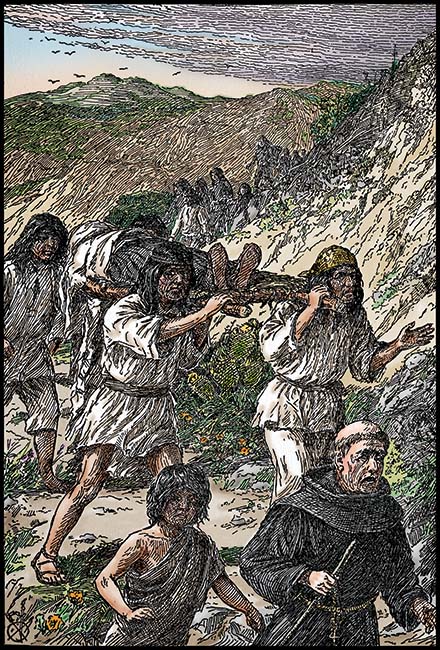
Mission Soledad, a modest remote mission, deteriorated chop-chop after information technology was secularized in 1835. For almost a century, Mission Soledad's chief attractions were the picturesque ruins on the site. Soledad's simple chapel (originally built in 1832) was restored past the Daughters of the Golden Due west in 1954. The convento wing (present day museum) was added in 1965.
This Historical Epitome Gallery contains eight (8) drawings and paintings drawn from this rich heritage.
Gimmicky Gallery
The Contemporary Prototype Gallery contains eight (viii) photographs depicting the restored mission and its cute heritage.
Architectural Gallery
Mission Soledad was abandoned for nigh 100 years. There are no Celebrated American Buildings Survey drawings of this mission.
jeffreysbuttleace1967.blogspot.com
Source: https://www.missionscalifornia.com/missions/nuestra-senora-de-la-soledad/
0 Response to "California Mission Nuestra Senora De La Soledad Bean Art"
Post a Comment